From kindergarten to grade 12, every student will exhibit unwanted behavior at some point. Learning how to deal with unfavorable behavior quickly and effectively will best set up educators for a successful term.
Above all, building a relationship with every student in the class is the most important, and most effective tool when managing classroom behavior.
More than likely, the bulk of unfavorable behavior will happen near the beginning of term. When a new group of students enter a classroom with a new teacher. Naturally the students will begin to test and push boundaries to see how much they can get away with. First impressions matter, and it is imperative to set clear expectations for the classroom as soon as possible. These could be techniques for quieting the class when it becomes to loud in the form of an auditory cue, or simply ensuring each student knows when it is appropriate for some actions, and when it is not.
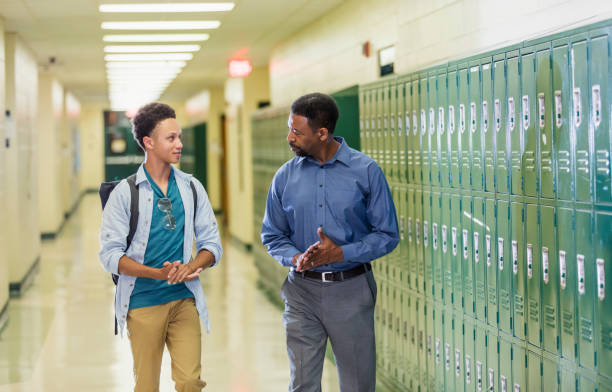
After the expectations have been outlined, the relationship building should have already begun. Learning the names of all students and welcoming them into the classroom each morning individually, was an effective strategy I’ve learned to quickly get the students comfortable with the teacher. Letting the students know that we know who they are, and that we care about their well being is the first step to building trust.
Trust can be the most difficult aspect to gain from the students, but once achieved can be the most powerful tool in our toolbox. Once we have gained the classes trust as a whole, the behavioral issues will sort themselves out. A fantastic strategy I’ve found for trust building, is the 2×10 method. This relationship building strategy recommends educators make an effort to engage in a 2 minute conversation with a particular student, for 2 consecutive days. These conversations have the greatest effect when we model honesty and authenticity during the interaction, and the topic is non-school related. Asking a student about their weekend, or evening plans, can separate the educator from viewed as a strictly authoritative model, into being a trustworthy companion with the eventual end goal of the students becoming comfortable expressing their concern, and to ask for help with they need it.
Gaining a personal relationship with each student will allow the educator to more thoroughly understand what is going on with their students, and will aid in identifying where the unfavorable behavior is coming from, and ultimately how to correct it.